
The Mental Edge: Why Athletes Make Exceptional Leaders
While many professionals struggle with self-doubt or hesitation, athletes often have an edge: the ability to lead under pressure.
Jonathan B. Williams
10/22/20255 min read

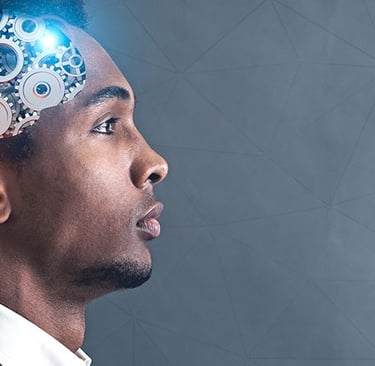
Leadership is about making decisions when it matters most. It’s the quiet confidence to move forward when the outcome is uncertain and the ability to inspire others even when the odds are stacked against you. While many professionals struggle with self-doubt or hesitation, athletes often have an edge: the ability to lead under pressure.
Years of competing, making quick calls, and motivating teammates instills a level of mental toughness that translates directly into leadership excellence. Whether they’re in a locker room, a boardroom, or building a brand, athletes bring a set of transferable skills that set them apart. They understand preparation, teamwork, accountability, and how to perform when it counts; because they’ve lived it.
This is the mental edge and it’s the reason why athletes so often evolve into exceptional leaders.
Resilience: The Foundation of Leadership
Resilience is the cornerstone of athletic and leadership success. Every athlete knows what it’s like to fail. To lose by one point, to miss the shot, to get cut from a team and to come back stronger. That process builds an unshakable inner strength that leaders desperately need in today’s unpredictable world.
Where many professionals crumble under setbacks, former athletes are conditioned to adapt and persevere. They’ve trained themselves to control what they can (effort, attitude, and execution) and let go of what they can’t.
When Serena Williams tore her hamstring at Wimbledon in 2021, many assumed her career was over. But Serena’s response wasn’t defeat, it was determination. Her journey of recovery, reinvention, and relentless drive to compete again reflected more than just athletic prowess; it was leadership in motion. She demonstrated that true resilience is about learning, not losing.
Leadership takeaway: Resilient leaders don’t avoid failure, they use it. The next time you hit a setback, apply the athlete’s mindset: assess, adjust, and attack again.
Decision-Making Under Pressure
Athletes make hundreds of split-second decisions every game. They evaluate risk, anticipate outcomes, and act, often. This instinctive decision-making translates directly into leadership, where clarity and speed can be the difference between progress and paralysis.
In the business world, decision-making often suffers from “analysis paralysis”; overthinking and hesitation that delay progress. Athletes, by contrast, learn to trust their preparation. They’ve practiced the scenario thousands of times so that when the moment comes, action feels natural.
Kobe Bryant, one of the most iconic athlete-leaders of all time, exemplified this. His “Mamba Mentality” wasn’t just about basketball; it was about preparation meeting decisiveness. Kobe’s relentless commitment to mastering the fundamentals meant that when the pressure mounted, he didn’t second-guess. He executed.
Preparation breeds confidence. Great leaders, like great athletes, make decisions faster and more effectively because they’ve done the work before the moment arrives.
Emotional Intelligence: The Silent Superpower
Athletes learn early that performance isn’t just physical, it’s emotional. They must manage frustration, stay composed after mistakes, and maintain empathy for teammates who are struggling. This emotional intelligence (EQ) is a defining trait of effective leadership.
High EQ leaders can read the room, manage their reactions, and adapt their communication style to different personalities. They don’t just lead with authority, they lead with awareness.
When you look at leaders like LeBron James, it’s easy to see EQ in action. Beyond his talent, LeBron’s success has always hinged on his ability to connect with teammates, build trust, and keep morale high, even when under intense scrutiny. He’s not just a player; he’s a connector.
Emotionally intelligent leaders create environments where people feel seen, supported, and valued — just as the best captains do for their teams.
Communication: Turning Clarity into Culture
Athletes understand that communication isn’t just about talking; it’s about timing, tone, and trust. On the field, a split-second misunderstanding can cost the game. Off the field, a lack of clarity can cost a company its culture.
Athletes-turned-leaders are adept at giving direct feedback while maintaining respect. They understand the balance between challenge and encouragement. They know how to rally a group around a common goal because they’ve done it before — every day in practice, every night under the lights.
Consider Megan Rapinoe, the U.S. soccer star known for her outspoken advocacy and leadership. Her ability to articulate purpose and empower others to take action transcends sports. It’s communication as culture-building — a model every leader can learn from.
Clear communication builds trust. Great leaders set expectations, speak with purpose, and ensure that everyone on the team knows their role in the mission.
Discipline and Accountability
Every athlete knows that talent gets you started, but discipline keeps you in the game. The habits of consistency early mornings, repetition, film study, diet, and recovery — create a structure that fuels long-term success.
That same structure is what makes athletes dependable leaders. They show up on time, follow through on commitments, and expect the same from others. They understand that leadership is less about titles and more about standards.
Athletes hold themselves accountable because they know others are counting on them. In leadership, that accountability builds credibility. People follow leaders who do the work , not just talk about it.
Discipline isn’t restrictive, it’s empowering. The athlete’s mindset transforms consistency into confidence and credibility.
From Competition to Collaboration
While sports are competitive, athletes quickly learn that individual success depends on collective effort. No matter how talented one player is, winning takes teamwork and that understanding makes athletes natural collaborators.
In leadership, collaboration requires humility. Athletes know how to share credit, play their role, and trust others to do theirs. They recognize that the ultimate goal isn’t personal glory but team victory.
The best leaders know how to compete with others, not against them. They build environments where everyone’s strengths shine.
Practical Leadership Exercises for Athletes (and Non-Athletes Alike)
To build your own mental edge, try integrating these athlete-inspired leadership exercises into your routine:
Post-Performance Review: After major meetings or projects, assess like an athlete after a game. What went well? What needs work? Where can you improve execution next time?
Pressure Simulation: Practice making quick decisions under time constraints. Give yourself a 60-second limit to make a call, this trains confidence under pressure.
Accountability Partner: Pair up with a colleague or mentor to set weekly performance goals and hold each other accountable, just like training partners do.
Visualization: Before a high-stakes meeting or presentation, visualize your success. Athletes use this mental rehearsal to reduce anxiety and sharpen focus.
Recovery Rituals: Schedule regular recovery time. Leadership burnout is real, just like overtraining. Rest is a competitive advantage.
Conclusion: Leadership Is the New Arena
The transition from athlete to leader isn’t about leaving sports behind; it’s about elevating what sports taught you. The same grit, focus, and discipline that help athletes win games are the qualities that help leaders win at life and business.
At AFTLETE, we believe leadership is the new arena and every athlete has what it takes to rise within it. The mental edge that once fueled your athletic journey can now become your superpower in leadership, entrepreneurship, and beyond.
Train your mind like you trained your body.
Lead with purpose. Perform with poise. Win with integrity.